
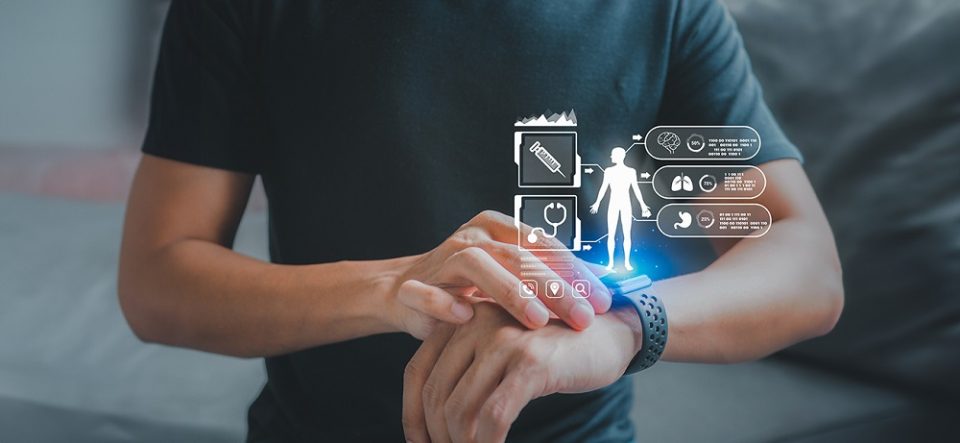
Digital health applications have reshaped how individuals monitor, manage, and improve their well-being. From tracking heart rate and sleep cycles to offering virtual consultations, these tools integrate technology with healthcare in ways that were unimaginable a decade ago.
Rather than replacing traditional care, digital health apps enhance accessibility, personalization, and preventive action, allowing users to take a proactive role in their health.
The Rise of Digital Health Technology
The widespread use of smartphones and wearable devices has accelerated the adoption of health-focused applications. Advances in sensors, cloud computing, and artificial intelligence now allow apps to deliver real-time insights that were once confined to clinical settings.
Key drivers behind this growth include:
-
Increased awareness of preventive healthcare
-
Demand for convenient, on-demand medical services
-
Integration with wearable devices such as smartwatches
-
Expansion of telemedicine and remote monitoring
As healthcare systems evolve, digital tools serve as a bridge between patients and providers.
Personalized Health Tracking
One of the most significant advantages of digital health apps is personalized monitoring. These platforms collect and analyze individual data to generate tailored feedback.
Common tracking features include:
-
Physical activity (steps, distance, calories burned)
-
Heart rate and blood pressure
-
Sleep duration and quality
-
Nutrition and hydration habits
By visualizing trends over time, users can identify patterns and make informed lifestyle adjustments. For instance, tracking sleep may reveal correlations between late-night screen time and fatigue, encouraging healthier routines.
Encouraging Preventive Care
Prevention plays a critical role in long-term wellness. Digital health apps support preventive strategies by offering:
-
Medication reminders
-
Vaccination alerts
-
Appointment scheduling
-
Early symptom tracking
Early detection of irregular patterns—such as elevated heart rates or changes in blood glucose levels—can prompt timely medical consultation. This reduces the risk of complications and improves overall health outcomes.
Supporting Mental Health and Stress Management
Mental well-being is increasingly recognized as essential to holistic health. Many digital platforms now include tools for:
-
Guided meditation and breathing exercises
-
Mood tracking journals
-
Cognitive behavioral therapy (CBT)-based modules
-
Stress reduction programs
Regular engagement with these tools can enhance emotional resilience, improve focus, and reduce anxiety levels. The convenience of accessing support anytime encourages consistent use.
Expanding Access Through Telemedicine
Telemedicine features integrated into health apps enable users to consult licensed professionals remotely. This is particularly valuable for individuals in rural or underserved areas.
Benefits include:
-
Reduced travel time
-
Lower healthcare costs
-
Faster access to specialists
-
Improved continuity of care
Virtual consultations also minimize exposure to contagious illnesses, making healthcare safer and more efficient.
Promoting Accountability and Motivation
Behavior change often requires consistent motivation. Digital health apps use strategies such as:
-
Goal-setting dashboards
-
Progress tracking charts
-
Achievement badges
-
Community challenges
These elements create a sense of accountability and engagement. Social sharing features further encourage users to stay committed to their wellness goals.
Data-Driven Insights for Better Decisions
Advanced algorithms analyze large volumes of health data to generate actionable recommendations. Instead of relying solely on subjective feelings, users receive objective insights.
For example:
-
Adjusting workout intensity based on heart rate variability
-
Improving sleep hygiene through detailed sleep-stage analysis
-
Refining dietary habits using nutritional breakdowns
Data-backed suggestions empower individuals to make smarter health decisions.
Integration with Wearable Devices
Wearables such as smartwatches and fitness bands enhance the functionality of health apps. Continuous data collection provides more accurate tracking compared to manual input.
Integrated ecosystems offer:
-
Real-time health alerts
-
Automated activity logging
-
Continuous heart rate monitoring
-
Fall detection and emergency notifications
This seamless integration strengthens preventive care and personal awareness.
Privacy and Security Considerations
While digital health apps offer substantial benefits, protecting sensitive information is crucial. Reputable platforms use:
-
Data encryption
-
Secure authentication methods
-
Transparent privacy policies
Users should review privacy settings carefully and choose applications that comply with recognized healthcare data protection standards.
The Future of Digital Wellness
Emerging technologies such as artificial intelligence, predictive analytics, and remote diagnostics will further enhance digital health ecosystems. Personalized recommendations will become increasingly precise, and remote monitoring tools may detect health risks even before symptoms appear.
As innovation continues, digital health apps are likely to play an even greater role in shaping preventive, accessible, and personalized healthcare systems worldwide.
FAQ
1. Are digital health apps suitable for all age groups?
Many apps are designed with diverse age groups in mind, including seniors. However, usability and medical accuracy vary, so selecting age-appropriate and clinically validated apps is important.
2. Can digital health apps replace regular doctor visits?
They complement but do not replace professional medical care. Apps are best used for monitoring and preventive support alongside routine checkups.
3. How accurate are wearable health measurements?
Accuracy depends on device quality and calibration. While many devices provide reliable estimates, they may not match clinical-grade equipment.
4. Do health apps help with chronic disease management?
Yes. Many apps assist users in managing conditions like diabetes or hypertension through tracking tools, medication reminders, and remote monitoring features.
5. What should I look for before downloading a health app?
Check for user reviews, data privacy policies, professional endorsements, and compatibility with your device or wearable technology.
6. Are digital health apps expensive?
Many basic apps are free, while advanced features may require subscriptions. Costs vary depending on functionality and provider.
7. How can I ensure my health data remains secure?
Use strong passwords, enable two-factor authentication, review privacy permissions, and choose apps that use secure encryption standards.
