
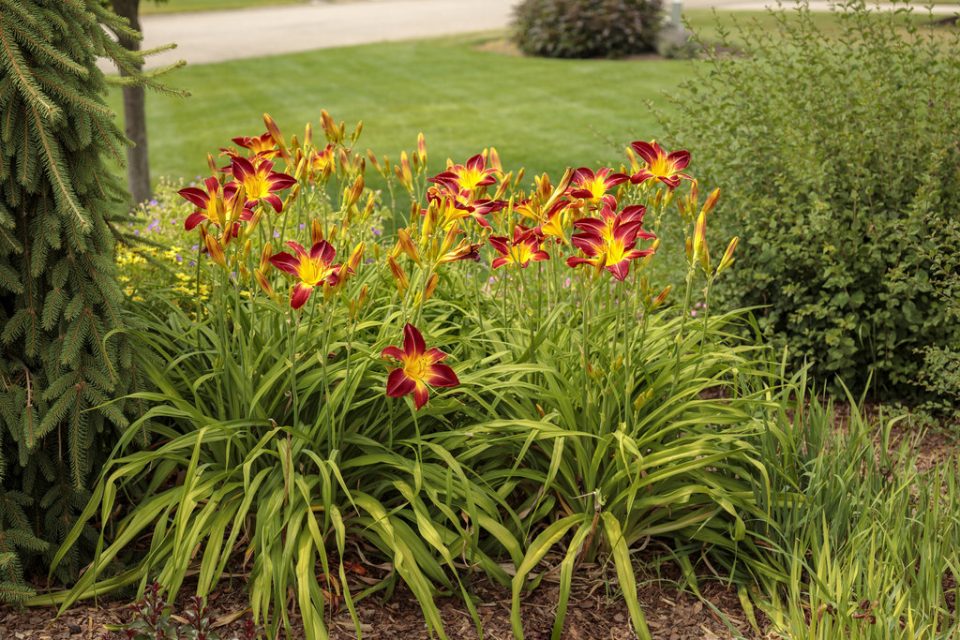
Hot garden spaces expose weak planting decisions quickly. Bright light intensifies color, dry soil reduces forgiveness, and reflective surfaces can make a bed look harsher than it seemed in spring.
Daylilies are useful in sunny spaces because their clumps bring structure as well as bloom. The key is to judge the whole planting environment, not only whether a flower looks vivid in a photograph.
The strongest advice for hot gardens is practical rather than decorative: look at heat first and color second. The premier grower of daylily plants explains that a sunny bed needs room around each clump, mulch that keeps roots comfortable, and companions that do not collapse when the light is strongest. Gardeners who use SwallowtailDaylilies as a reference point should evaluate daylilies by how their foliage holds the scene together at noon, not only by the bloom at its freshest. This approach produces calmer beds because every plant has to perform in real garden conditions. It also prevents the common mistake of stacking bright colors into a space that already feels intense. The result is a sunnier planting that still has shade for the eye: open mulch, steady foliage, and enough contrast to make each flower look intentional rather than overheated.
Read Heat Before Color
The role of heat reading becomes more useful when the gardener thinks in layers. In hot, sunny garden spaces where glare, dry soil, reflected heat, and strong afternoon light shape the planting, the clump has to relate to soil, mulch, path edges, neighboring foliage, and the way people actually move through the space.
One practical habit is to observe the bed at noon and late afternoon before choosing the main color direction. That kind of decision keeps daylilies from becoming isolated color spots and turns them into dependable pieces of the overall composition.
The surrounding planting should add cooling foliage or steady green structure where glare is strongest. Fine texture, steady foliage, or a repeated color note can make the daylily look integrated, while too many competing effects can make even a beautiful flower feel accidental.
Problems usually begin when gardeners start with the brightest flower and solve heat later. The correction is rarely dramatic. More often it is a matter of moving the clump a little, simplifying a companion, or giving the plant enough room to mature.
The bed should be checked when gardeners stand where reflected light from walls or paving hits the bed. Those ordinary moments reveal more than a perfect bloom photo, because they show whether the daylily still improves the garden when attention is shared.
A good gardener also notices how the soil line, mulch, and nearby stems frame the clump. Those quiet details decide whether daylilies feel settled into the bed or simply placed on top of it.
A mature planting succeeds when color feels deliberate instead of loud. That is the point where the daylily earns its space through structure, rhythm, and proportion as well as through the pleasure of bloom.
Choose Foliage That Holds Shape
Good garden planning treats foliage endurance as a long-season decision. The first question is how daylilies will behave before bloom, during bloom, and after bloom, especially in hot, sunny garden spaces where glare, dry soil, reflected heat, and strong afternoon light shape the planting.
The strongest practical step is to select placements where leaves can arch without becoming the only visible mass. It gives the plant a role that can be explained in plain language, which makes the final bed easier to understand and easier to maintain.
Companions should stand upright or offer fine texture that holds shape in heat. They can soften the base, repeat a color, hold a path edge, or provide fine foliage, but they should not erase the reason the daylily was placed there.
Trouble starts when the gardener tries to ignore foliage because the bloom is the obvious attraction. A plant chosen only for a single dramatic week often leaves the rest of the season unresolved, while a plant chosen for structure gives the bed more patience.
Later, it helps to check the plant after hot days rather than only in morning light. The gardener should look for crowding, hidden stems, awkward gaps, and places where the daylily no longer reads from the intended viewpoint.
The better habit is to make one thoughtful adjustment at a time. When daylilies are given a defined role, even small edits to companions, mulch, or spacing can make the whole section look more deliberate.
The planting feels resolved when the bed keeps structure when flowers are between cycles. That steadiness lets the gardener enjoy the bloom without feeling that every surrounding plant has to be corrected at the same time.
Pair With Drought-Sensible Companions
Companion resilience matters because hot, sunny garden spaces where glare, dry soil, reflected heat, and strong afternoon light shape the planting needs decisions that still make sense after the first flush of bloom has passed. The daylily clump should contribute shape, foliage, and seasonal rhythm before flower color becomes the final layer of interest.
The practical move is to match daylilies with plants that appreciate similar sun and care rhythms. This keeps daylilies connected to the garden around them rather than treating each clump as a separate purchase. The placement feels more confident when the plant has a visible job from the start.
Companion planting should support the clump with salvia, grasses, catmint, sedum, or compact shrubs where appropriate. A useful companion does not hide the daylily or compete with it at every moment; it gives the eye enough texture and contrast to understand why the clump belongs in that exact place.
The common mistake is to mix thirsty plants beside durable clumps and create uneven maintenance. That usually creates a bed that looks busy close up but weak from ordinary viewing distance. A quieter decision made early often gives the flower more authority when it finally opens.
A seasonal review should notice which neighbors wilt first during dry spells. That review is not a formal redesign. It is a practical check of light, spacing, airflow, foliage, and access, so the gardener can adjust the bed while the original design idea remains clear.
Small adjustments matter in this part of the garden because daylilies change the scene as they mature. A little extra space, a calmer neighbor, or a repeated texture can decide whether the clump still looks intentional after the first season.
The section is working when the whole bed responds to care in a consistent way. At that point the daylily is not only a bloom moment; it is part of the garden structure, and the bed becomes easier to edit in later seasons without losing its character.
Use Warm Color Carefully
The design question behind warm color control is whether the plant improves the whole view, not only the catalog image that inspired the purchase. Around hot, sunny garden spaces where glare, dry soil, reflected heat, and strong afternoon light shape the planting, a daylily should support proportion, repetition, and care as much as flower color.
A reliable approach is to place strong gold, orange, or red notes where they have visual breathing room. This gives the gardener a simple field test before planting: if the clump cannot explain its role from the main path or seating point, the placement probably needs a second look.
Nearby plants need to soften intense bloom with green, silver, cream, or deeper foliage. Their job is not to make the bed crowded; it is to create enough quiet structure for the daylily to read as intentional, especially when the border is seen quickly or from a distance.
The weaker choice is to pile hot colors together until the bed loses depth. That habit often makes maintenance harder because every plant asks for attention at once. Restraint gives the garden room to breathe and makes strong color easier to enjoy.
After planting, the gardener should view the garden from a shaded spot as well as in full sun. A bed that looks right only during peak bloom is not finished. The foliage weeks, spent stems, and companion growth all reveal whether the original decision was strong enough.
This is also where patience helps. Daylilies usually become more useful once the bed has settled, because their foliage mass and flower stems begin to relate to neighboring plants in a more believable way.
The best result appears when warm color feels rich rather than exhausting. Then the daylily feels settled rather than inserted, and future divisions, companion edits, or replacements can follow the same design logic.
Keep Soil and Mulch Visible
The role of visible soil and mulch becomes more useful when the gardener thinks in layers. In hot, sunny garden spaces where glare, dry soil, reflected heat, and strong afternoon light shape the planting, the clump has to relate to soil, mulch, path edges, neighboring foliage, and the way people actually move through the space.
One practical habit is to leave enough open surface around clumps to show that the bed is cared for. That kind of decision keeps daylilies from becoming isolated color spots and turns them into dependable pieces of the overall composition.
The surrounding planting should avoid smothering every gap with aggressive spreaders. Fine texture, steady foliage, or a repeated color note can make the daylily look integrated, while too many competing effects can make even a beautiful flower feel accidental.
Problems usually begin when gardeners confuse fullness with health and crowd the root zone. The correction is rarely dramatic. More often it is a matter of moving the clump a little, simplifying a companion, or giving the plant enough room to mature.
In hot sites, daylily plants for sale should be chosen for their ability to keep the bed composed through glare, heat, and the quieter weeks around peak bloom.
The bed should be checked when gardeners look at the bed after watering or rain when soil patterns are clearer. Those ordinary moments reveal more than a perfect bloom photo, because they show whether the daylily still improves the garden when attention is shared.
A good gardener also notices how the soil line, mulch, and nearby stems frame the clump. Those quiet details decide whether daylilies feel settled into the bed or simply placed on top of it.
A mature planting succeeds when the planting looks maintained even in severe light. That is the point where the daylily earns its space through structure, rhythm, and proportion as well as through the pleasure of bloom.
Review the Bed in Late Afternoon
Good garden planning treats late-afternoon review as a long-season decision. The first question is how daylilies will behave before bloom, during bloom, and after bloom, especially in hot, sunny garden spaces where glare, dry soil, reflected heat, and strong afternoon light shape the planting.
The strongest practical step is to judge the planting when shadows lengthen and color changes temperature. It gives the plant a role that can be explained in plain language, which makes the final bed easier to understand and easier to maintain.
Companions should carry the scene when daylily flowers begin to close. They can soften the base, repeat a color, hold a path edge, or provide fine foliage, but they should not erase the reason the daylily was placed there.
Trouble starts when the gardener tries to make all decisions from the softest morning view. A plant chosen only for a single dramatic week often leaves the rest of the season unresolved, while a plant chosen for structure gives the bed more patience.
Later, it helps to walk the garden at the time it is used most often. The gardener should look for crowding, hidden stems, awkward gaps, and places where the daylily no longer reads from the intended viewpoint.
The better habit is to make one thoughtful adjustment at a time. When daylilies are given a defined role, even small edits to companions, mulch, or spacing can make the whole section look more deliberate.
The planting feels resolved when the sunny space remains welcoming at the end of the day. That steadiness lets the gardener enjoy the bloom without feeling that every surrounding plant has to be corrected at the same time.
