
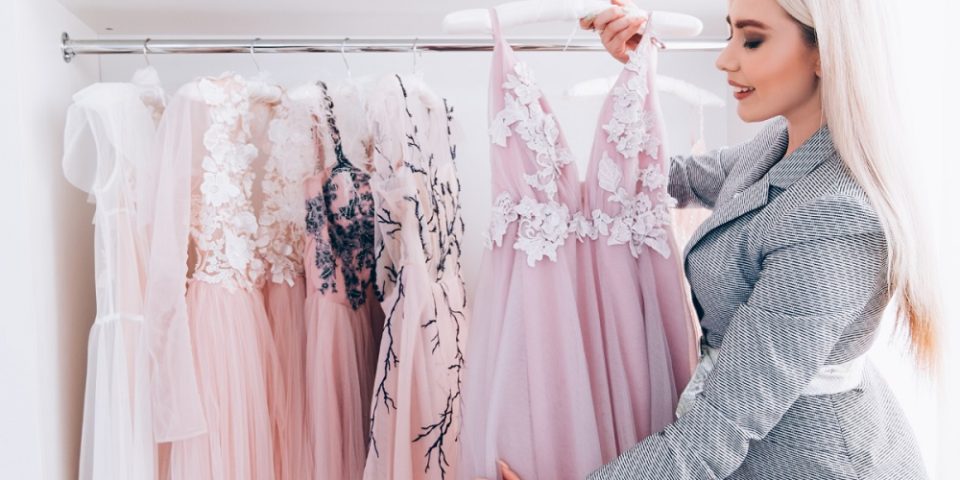
Understanding Personal Style Beyond Trends
Personal style is more than wearing what’s fashionable. It is the visual language you use to express identity, values, and mood. While trends shift each season, style rooted in authenticity remains steady.
Confidence often begins with alignment. When clothing choices reflect who you are rather than who you think you should be, there is less self-doubt and more ease in daily interactions.
Personal style is not about luxury labels or expensive wardrobes. It is about clarity—knowing what feels right and choosing intentionally.
How Clothing Influences Psychology
Research in behavioral psychology shows that clothing affects not only how others perceive us but also how we perceive ourselves. This concept, often referred to as enclothed cognition, explains how attire can influence performance and mindset.
For example:
-
Wearing structured pieces like a tailored blazer can create a sense of authority.
-
Comfortable, well-fitted outfits can reduce self-consciousness.
-
Bold colors may increase feelings of energy and optimism.
-
Minimalist outfits can promote focus and clarity.
When clothing supports your internal state, it reinforces self-trust. That reinforcement becomes confidence.
Personal Style as a Form of Self-Respect
Choosing outfits thoughtfully sends a subtle message to yourself: I value who I am. This internal acknowledgment builds emotional strength over time.
Confidence grows when:
-
You stop dressing to avoid judgment.
-
You select pieces that fit well and flatter your body.
-
You curate a wardrobe that supports your lifestyle.
-
You invest in quality over quantity.
Even small improvements—like replacing worn-out basics or tailoring ill-fitting garments—can dramatically improve how you feel throughout the day.
Authenticity Creates Presence
People are naturally drawn to individuals who appear comfortable in their own skin. Personal style plays a major role in that comfort.
Authenticity in style means:
-
Wearing what genuinely resonates with you.
-
Avoiding forced trends that don’t align with your personality.
-
Accepting and celebrating your body type.
-
Creating consistency in your visual identity.
When your external appearance matches your internal identity, you project calm assurance rather than insecurity.
The Link Between Grooming and Self-Assurance
Style goes beyond clothing. Grooming, posture, and attention to detail contribute significantly to confidence.
Key elements include:
-
Clean, well-maintained shoes
-
Neatly styled hair
-
Properly fitted garments
-
Subtle accessories that complement rather than overwhelm
These details may seem minor, but together they create a polished impression. That polish reinforces self-belief.
Building Confidence Through Wardrobe Strategy
Confidence doesn’t require a complete closet overhaul. A strategic approach is often more effective.
Start With Foundations
Focus on essentials:
-
Neutral, well-fitting basics
-
One or two standout pieces
-
Versatile footwear
-
Reliable outerwear
A cohesive base reduces decision fatigue and increases daily consistency.
Identify Your Style Words
Choose three descriptive words that define how you want to feel—such as powerful, relaxed, or creative. Use them as a filter when selecting outfits.
Eliminate What Undermines Confidence
Remove pieces that:
-
No longer fit comfortably
-
Carry negative memories
-
Feel outdated or forced
Clothing that causes hesitation weakens presence.
Overcoming Style Insecurities
Many confidence issues stem from comparison. Social media and advertising often present unrealistic standards. The key is reframing style as personal, not competitive.
To overcome insecurity:
-
Focus on fit rather than size labels.
-
Dress for your body as it is today.
-
Limit exposure to comparison-driven content.
-
Experiment gradually instead of making drastic changes.
Confidence grows through consistency, not perfection.
The Professional Advantage of Strong Personal Style
In professional environments, style can influence perception before you speak. A polished appearance communicates reliability, attention to detail, and preparedness.
This does not mean conforming entirely. Instead, it means balancing individuality with situational awareness. When your outfit aligns with the environment while still reflecting your personality, you command respect naturally.
Small Changes That Deliver Big Impact
If you want immediate results, consider these practical upgrades:
-
Tailor one frequently worn item.
-
Upgrade everyday shoes.
-
Add a structured jacket.
-
Simplify color combinations.
-
Improve grooming consistency.
These adjustments create visible refinement without excessive spending.
Style as an Ongoing Journey
Personal style evolves with life stages, career changes, and personal growth. What made you feel confident five years ago may not serve you today—and that’s normal.
Revisit your wardrobe periodically and ask:
-
Does this represent who I am now?
-
Do I feel empowered wearing this?
-
Would I choose this again today?
Confidence strengthens when style grows alongside you.
Frequently Asked Questions (FAQ)
1. Can personal style really impact mental health?
Yes. Wearing clothes that align with your identity can reduce self-consciousness and improve mood. While it is not a substitute for professional mental health care, it can support emotional well-being.
2. How can someone develop personal style on a limited budget?
Start by decluttering, identifying versatile basics, and shopping intentionally. Thrift stores, clothing swaps, and tailoring inexpensive pieces can make a significant difference.
3. Is following fashion trends harmful to confidence?
Not necessarily. Trends can be enjoyable if they genuinely resonate with you. Confidence declines only when trends are followed out of pressure rather than preference.
4. How long does it take to feel more confident through style changes?
Some people notice immediate shifts, especially after improving fit or grooming. For lasting confidence, consistency over weeks or months makes the biggest impact.
5. Does personal style matter in remote work environments?
Yes. Even when working from home, dressing intentionally can enhance productivity and self-discipline. It influences how you approach tasks and meetings.
6. What if my workplace has a strict dress code?
Focus on details within the boundaries—fit, color coordination, fabric quality, and grooming. Even subtle personalization can reinforce individuality.
7. How often should I refresh my wardrobe?
There is no fixed timeline. Review your wardrobe seasonally and make adjustments when your lifestyle, body, or preferences shift significantly.
