
Introduction
Inflammation is a natural defense mechanism that helps the body heal from injury or infection. However, when inflammation becomes chronic, it can quietly damage tissues and increase the risk of long-term health conditions. An anti-inflammatory diet focuses on whole, nutrient-dense foods that calm the immune response and support the body’s natural healing processes.
What Is Chronic Inflammation?
Chronic inflammation occurs when the immune system stays activated for long periods. Unlike short-term inflammation, which is beneficial, ongoing inflammation can contribute to serious health concerns.
Health Conditions Linked to Chronic Inflammation
-
Heart disease
-
Type 2 diabetes
-
Arthritis and joint pain
-
Autoimmune disorders
-
Digestive issues
-
Cognitive decline
How an Anti-Inflammatory Diet Works
An anti-inflammatory diet reduces exposure to foods that trigger inflammation while increasing intake of compounds that actively fight it. These include antioxidants, polyphenols, omega-3 fatty acids, and fiber, all of which protect cells from damage and support immune balance.
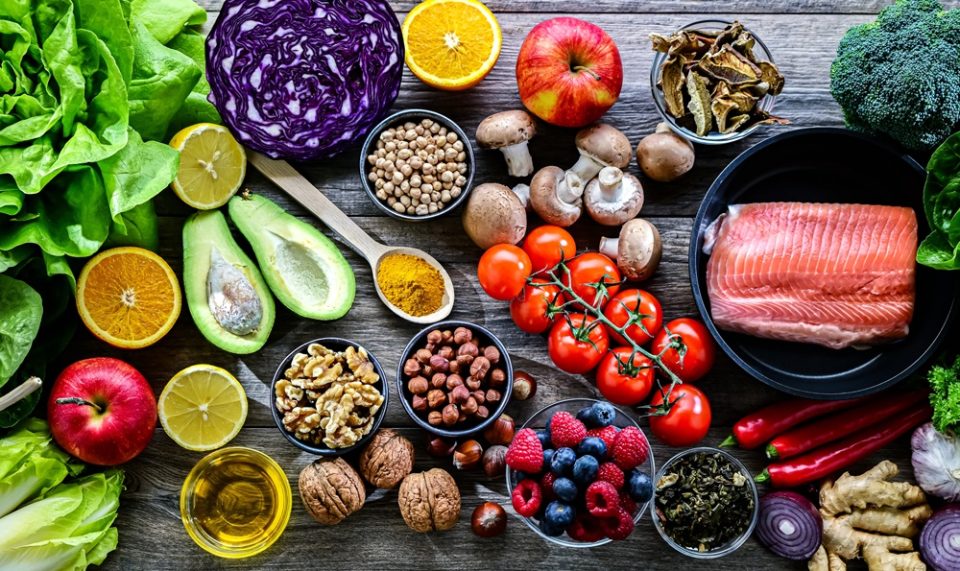
Best Anti-Inflammatory Foods
Fruits and Vegetables
Colorful produce is rich in antioxidants that neutralize inflammatory molecules.
-
Berries (blueberries, strawberries)
-
Leafy greens (spinach, kale)
-
Tomatoes
-
Broccoli and cauliflower
Healthy Fats
Healthy fats help regulate inflammatory responses at the cellular level.
-
Extra virgin olive oil
-
Avocados
-
Nuts and seeds
-
Fatty fish like salmon and sardines
Whole Grains and Fiber-Rich Foods
Fiber feeds beneficial gut bacteria, which helps control inflammation.
-
Oats
-
Quinoa
-
Brown rice
-
Lentils and beans
Herbs and Spices
Many herbs and spices contain powerful anti-inflammatory compounds.
-
Turmeric
-
Ginger
-
Garlic
-
Cinnamon
Foods That Increase Inflammation
Limiting inflammatory foods is just as important as adding healing ones.
-
Ultra-processed foods
-
Refined carbohydrates
-
Sugary beverages
-
Fried foods
-
Excessive alcohol
Anti-Inflammatory Diet and Gut Health
The gut plays a central role in inflammation control. A diet rich in prebiotic fiber and fermented foods supports a healthy gut microbiome, which helps regulate immune responses and reduce systemic inflammation.
Lifestyle Factors That Enhance Anti-Inflammatory Benefits
Diet works best when combined with healthy daily habits.
-
Regular physical activity to lower inflammatory markers
-
Quality sleep to support immune regulation
-
Stress management through mindfulness or relaxation techniques
-
Hydration to assist detoxification and cellular function
Who Can Benefit From an Anti-Inflammatory Diet?
This eating pattern is beneficial for nearly everyone, especially individuals experiencing:
-
Joint pain or stiffness
-
Digestive discomfort
-
Fatigue or low energy
-
Skin conditions
-
High stress levels
Conclusion
An anti-inflammatory diet is not a temporary fix but a sustainable approach to long-term health. By choosing whole foods that nourish the body and avoiding those that trigger inflammation, you support natural healing, reduce disease risk, and improve overall well-being.
Frequently Asked Questions (FAQs)
1. How long does it take to see results from an anti-inflammatory diet?
Many people notice improvements in energy and digestion within a few weeks, while deeper benefits may take longer.
2. Is an anti-inflammatory diet the same as a Mediterranean diet?
They share similarities, but an anti-inflammatory diet focuses more specifically on reducing inflammatory triggers.
3. Can this diet help with joint pain?
Yes, many anti-inflammatory foods help reduce joint stiffness and discomfort over time.
4. Do I need supplements on an anti-inflammatory diet?
Most nutrients can be obtained through food, though individual needs may vary.
5. Can weight loss occur on an anti-inflammatory diet?
Weight loss may happen naturally due to improved food quality and reduced processed intake.
6. Is coffee inflammatory or anti-inflammatory?
In moderation, coffee contains antioxidants and may offer anti-inflammatory benefits.
7. Can children follow an anti-inflammatory diet?
Yes, it emphasizes whole, nutritious foods that are suitable for all age groups.
