
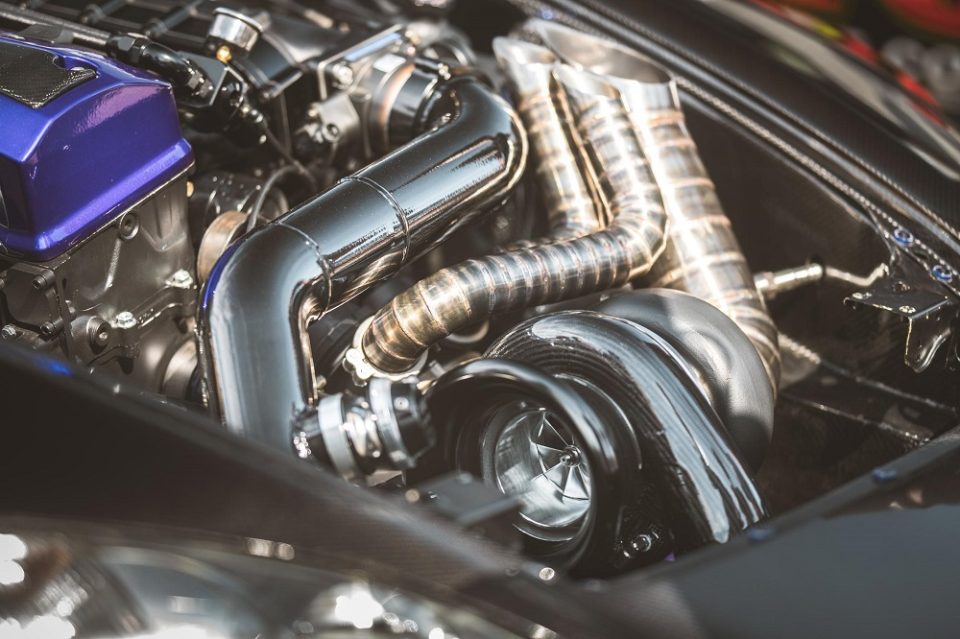
Modern vehicles are engineered for efficiency, emissions compliance, and reliability across varied driving conditions. Yet, many engines leave the factory with conservative calibration margins. Performance tuning refines these parameters to unlock additional power, sharper throttle response, and improved drivability—without compromising durability when executed correctly.
This guide explores the most effective and responsible methods for tuning contemporary gasoline and diesel engines.
Understanding Modern Engine Architecture
Before making modifications, it’s essential to understand how today’s engines operate.
1. Electronic Control Units (ECU)
The Engine Control Unit (ECU) manages fuel injection, ignition timing, boost pressure, throttle response, and more. Manufacturers program conservative maps to account for:
-
Variable fuel quality
-
Extreme weather conditions
-
Long service intervals
-
Emissions regulations
Tuning typically involves recalibrating these maps to optimize performance under specific conditions.
2. Forced Induction Systems
Many modern engines use:
-
Turbochargers
-
Superchargers
These systems compress incoming air, allowing more fuel combustion and increased power output. Proper tuning can safely increase boost pressure within mechanical limits.
3. Direct Injection Technology
Direct injection improves fuel atomization and combustion efficiency. However, it requires precise calibration of:
-
Fuel pressure
-
Injector timing
-
Air-fuel ratios
Small adjustments can significantly affect both performance and engine health.
Core Performance Tuning Methods
ECU Remapping (Software Tuning)
ECU remapping alters the factory calibration to enhance performance.
Benefits include:
-
Increased horsepower and torque
-
Improved throttle response
-
Optimized air-fuel ratios
-
Better boost management
Professional tuning ensures that knock control, exhaust gas temperatures, and fuel trims remain within safe thresholds.
Intake System Upgrades
A high-flow intake improves airflow into the engine.
Common upgrades:
-
Performance air filters
-
Cold air intake systems
-
Larger throttle bodies
Improved airflow reduces restriction and enhances combustion efficiency.
Exhaust System Optimization
Upgrading the exhaust system reduces backpressure.
Key components:
-
High-flow catalytic converters
-
Performance headers
-
Cat-back exhaust systems
Reduced restriction helps turbocharged engines spool faster and improves naturally aspirated engine breathing.
Intercooler Upgrades
Turbocharged engines benefit from upgraded intercoolers, which lower intake air temperature.
Lower temperatures result in:
-
Denser air
-
Reduced knock risk
-
More consistent power output
Heat management is critical for sustained performance.
Fuel System Enhancements
When increasing boost or airflow, fuel delivery must keep pace.
Upgrades may include:
-
High-pressure fuel pumps
-
Larger injectors
-
Fuel pressure regulators
Proper fueling prevents lean conditions that could damage the engine.
Supporting Modifications for Reliability
Performance gains must be balanced with durability.
Cooling System Improvements
Higher output generates more heat. Consider:
-
Aluminum radiators
-
Performance thermostats
-
Oil coolers
Maintaining optimal temperatures preserves engine longevity.
Transmission Tuning
Automatic transmissions often require recalibration to handle increased torque. Adjustments can:
-
Firm up shift points
-
Reduce lag
-
Prevent clutch slippage
Manual transmissions may need upgraded clutches to handle additional power.
Brake and Suspension Upgrades
More speed demands improved control. Enhancements should include:
-
Performance brake pads and rotors
-
Upgraded suspension components
-
High-performance tires
Balanced tuning ensures safety and handling stability.
Dyno Testing and Data Logging
Professional tuners rely on dynamometers (dynos) to measure:
-
Wheel horsepower
-
Torque curves
-
Air-fuel ratios
-
Boost pressure
Data logging allows real-time analysis of knock events, fuel trims, and temperature variations. Accurate measurement ensures safe and repeatable performance gains.
Emissions and Legal Considerations
Performance modifications may affect emissions compliance depending on local regulations. Always verify:
-
Street legality
-
Warranty implications
-
Inspection requirements
Responsible tuning respects environmental standards while improving performance.
Common Mistakes to Avoid
-
Installing hardware without proper tuning
-
Increasing boost without upgrading fueling
-
Ignoring cooling system limitations
-
Using low-quality fuel after aggressive tuning
-
Skipping professional diagnostics
Modern engines are complex systems; improper adjustments can cause severe damage.
Gasoline vs. Diesel Engine Tuning
Gasoline Engines
Typically benefit from:
-
Ignition timing optimization
-
Higher RPM tuning
-
Turbo boost adjustments
Diesel Engines
Often gain:
-
Significant torque increases
-
Improved towing capacity
-
Better throttle mapping
Diesel tuning focuses heavily on fuel pressure and injection timing.
Cost Expectations
Performance tuning costs vary depending on:
-
Vehicle make and model
-
Hardware upgrades required
-
Professional labor rates
-
Custom vs. off-the-shelf maps
Basic ECU remaps are typically more affordable than full hardware builds with custom dyno calibration.
Is Performance Tuning Worth It?
When executed properly, performance tuning can:
-
Improve acceleration
-
Enhance driving enjoyment
-
Increase efficiency under certain conditions
-
Optimize vehicle response
However, success depends on careful planning, professional calibration, and supporting modifications.
Frequently Asked Questions (FAQ)
1. How much horsepower can a basic ECU remap add?
Gains typically range from 5% to 25%, depending on whether the engine is naturally aspirated or turbocharged. Forced induction engines generally see larger improvements.
2. Does tuning reduce engine lifespan?
Improper tuning can shorten lifespan. However, conservative, professionally calibrated tuning with adequate supporting modifications can maintain long-term reliability.
3. Can performance tuning improve fuel economy?
Yes, optimized air-fuel ratios and improved torque delivery can enhance efficiency during steady driving, though aggressive driving may reduce fuel economy.
4. Is dyno tuning better than preloaded maps?
Custom dyno tuning accounts for the specific vehicle’s condition, hardware setup, and fuel quality, making it generally safer and more precise.
5. Do I need premium fuel after tuning?
Many performance tunes require higher-octane fuel to prevent knocking, especially in turbocharged engines.
6. Will tuning void my manufacturer warranty?
In many cases, yes. Manufacturers may detect ECU modifications and deny warranty claims related to the powertrain.
7. Can hybrid or electric vehicles be tuned?
Hybrid systems have limited traditional tuning options. Electric vehicles rely on proprietary software and battery management systems, making modification far more restricted compared to internal combustion engines.
